Copyright (c) Marc Dacey/Dark Star Media 2006-2020. Above photo (c) Marc Dacey. Powered by Blogger.

2012-07-23

Lessons from the sinking of S/V Concordia

The late S/V Concordia

No, not M/V Costa Concordia. That particular case of death-by-cruise-ship/"showboating" is not properly in my purview, although there's an element of "horrible warning" to a number of its aspects that I suspect will be understood in the fullness of time.

I mean S/V Concordia, the Canadian "Classroom Afloat" sailing vessel that went down off the coast of Brazil. It's safe to say that at this stage, changing the name of our boat to "Concordia" is not in the cards. The name would appear to connote bad luck. And even though my wife has recently earned a teaching degree, I would hesitate to recommend floating teaching. Maybe after we cruise. Maybe.

It has been just over two years since the Canadian sail training ship S/V Concordia rolled beneath the waves off the coast of Brazil in February of 2010, and yet with surprising alacrity for a bureaucracy, Canada's Transportation Safety Board has issued a analysis report complete with conclusions as to what sank the relatively modern (built 1992 in Poland), and fully compliant from a safety point of view, 57.5 metre-long barquentine.

The important part of the story, of course, is that all 64 people on board made it into liferafts alive, and apart from a broken arm dealt to the ship's doctor, unscathed. Equally remarkable is that they survived nearly two days at sea in poor conditions before a rescue commenced, one that may have happened significantly earlier. Had communications between the Canadian SAR personnel who logged the automated EPIRB distress beacon been taken seriously by Brazilian SAR personnel (in this case, the Brazilian Navy) in a timely fashion, the survivors of the sunken Concordia might have been drier sooner: They were not that far, in rescue terms, from shore, and the area involved was reasonably transited by commercial vessels.

The first reports of Concordia focused on this aspect of the preservation of life, As well they should have: All crew were safely taken into liferafts for the most part with only minor injuries, and while they spent a day and a half in rolly, unpleasant conditions before being picked up by a merchantman, no one died, and the injuries, while unpleasant, were minor and given the manner of the ship's demise, almost miraculous.

But is it a miracle when everyone lives, or is it a predictable outcome of decent training and adequate provision of safety gear? S/V Concordia was, in tall ship terms, practically factory fresh: Built in Poland in 1992 as a steel barquentine, Concordia was modern and well-equipped with a generous diesel to push her along when the wind failed. There was plenty of safety equipment aboard, and enough to accommodate all hands even though some of it was made inaccessible or unusable due to the rapidity of the ship's knockdown and the subsequent downflooding through open hatches.

About that knockdown/capsize:
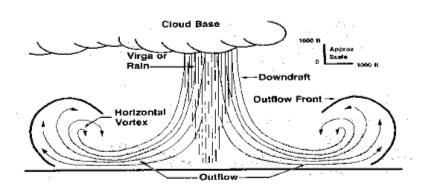


This suspect was cleared


While initial news reports suggested that a squall-born microburst may have put Concordia over, a Transport Canada report on the sinking suggests that a combination of too much sail up may have laid the ship over to the point where the sea could downflood hatches that should have been closed. "Since the vessel was not fully secured as the squall approached, water entered the hull when it heeled. This compromised the vessel's righting ability to such a degree that it was unable to recover from the knockdown. As a result, downflooding progressed, causing an increasing loss of stability until the vessel finally capsized." (Transportation Safety Board Report on S/V Concordia, section 2.2) Thanks to astute reader Rick Spilman for correcting my eroded memory of this part of the report.
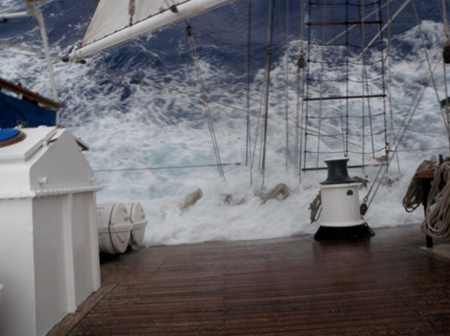
This is a sign to close the damn hatches.
The report also suggests that there is a lack of adequate training of sail vessels in the concept of "squall curves", and that the second officer at the helm during a time of rising winds and increasing heeling angles, did not take adequate measures to either reduce sail (to reduce heel) nor to secure leeward (low-side, closest to the sea) hatches.

As a sail vessel heels, particularly one with a small, non-angled rudder and little in the way of lateral keel to resist it, the opportunity to avert a capsize can diminish. Anyone who has been in a downwind broach will recall, likely strongly, the moment when the boat felt "detached" from the water and started to "skid". Capsize is related to this, and the "weight aloft" of a tall ship's masts means a generally lower tolerance than a typical cruising yacht, which tends to carry weight lower and farther below the water, comparatively, than a taller multi-masted, traditional hull boat. "Stability curves" inform the crew when the angle of heel, all things being equal, is becoming excessive. Concordia being a relatively new boat, and the math being well-understood, these curves were known. What is suggested is that the crew on the helm was not sufficiently well-versed to understand the approaching dangers.

One method of reducing heel is to steer head to wind. Another is to reduce sail and therefore the sideways pressure (assuming a beam reach) on the rig. A third is to release the sheets, a noisy and potentially sail-damaging move, but one most beginning sailors know. If you hold off until the boat or ship is heeled over too far, the rudder can no longer turn the boat, as it is no longer entirely submerged, and/or its angle is ineffective. This, it seems, combined with the unfortunate unsecured state of deckhouse and hatches for ventilation, meant that once the Concordia was over, she wasn't coming back. 

Given that Concordia was a large, intrinsically top-heavy thing lacking the sort of keel/centerboard a cruising sailboat has), the question can be raised: Was there anything the ship's master and crew could have done to predict a sudden increase in wind, and did they have options to keep the ship from being overcome by these localized, "surprise" squalls?

Regulations? Basically, arrive alive


By way of analogy, we can look at history. It's been a mere 75 years or so since the last grain ships, large steel cargo sailing ships such as Moshulu, above, finally ceased to sail commercially just prior to World War II. These ships brought bulk goods such as fertilizer from Chile and wheat from Australia to (mostly) Britain. If you didn't mind waiting around 100 days, these lightly crewed, amenity-free behemoths could bring you a few thousand tons of raw materials or food at a price fractionally cheaper than a coal- or oil-burning freighter. Unfortunately for the crew, these frequently minimally powered (often only the capstan would be linked to a basic motor) and electricity-free vessels would have to go via the three great Capes of the Southern Ocean, Good Hope, Leeuwin and the notorious Horn, without even basic radio contact or much in the way of rescue services beyond sinking in sight of a beach you might wash up on before the fish ate you or the waves pounded you to chunks.

This video shot in 1929 by the renowned American tall-ship sailor Irving Johnson gives a taste of what life was like on a really large steel sailing vessel:


By contrast, Concordia had all modern navigational aids and access to weather information and search and rescue resources the tall-ship cargo haulers could only dream of. RADAR, EPIRB, VHF, SSB...you'd run out of letters before you could cover all the required and optional safety, navigational and communications acronyms Concordia carried. As a floating school filled with teenagers and crew, for the most part, not much older, their parents and the school's patrons would expect no less.

And yet certain hatches were left open in weather breezy enough to cause a steep heeling motion on a boat with little keel to resist it. One wonders if the hatches had been closed, and/or the sail reduced further, would the ship have come back from a squall-imposed knockdown, or have dodged the knockdown entirely? Couch commodoring aside, what are the lessons from a disaster that, arguably thanks to proper drill and seamanship after the knockdown, saw no one die?

I think dogging down the hatches would have helped. I think a willingness to sweat it out in a sealed boat, unpleasant as that may be, should be a first choice if the seas merit it. I think that perhaps boats like this should have fin keels or other means to increase positive stability and to lower the CG.

If that cannot be done, perhaps better training and a willingness to call the captain on deck should the heel exceed a certain angle. The second officer, according to the Transportation Safety Board report, was in fact deemed competent  and possessed all the certifications required for doing his job, but those certifications do not delve deeply into concepts of stability and "squall curves". Why would they? That's sail stuff, and that doesn't count, does it?

"In order to gain this competency, masters and officers of sailing vessels would benefit from formalized training that specifically addresses the interpretation and operational use of the stability guidance provided to them, which, in this case, was the squall curves. Without it, they may not be able to interpret and make effective use of the critical guidance information when it is provided in stability books." (Transportation Safety Board Report on S/V Concordia, section 2.4)

I also think the tax dodge of foreign-flagging may obscure the ability to get to root causes of accidents of this nature, but that is perhaps an issue beyond my scope here.

One type of "other means" can be seen amidships

A boat built to look like a state of the art 1892 cargo barquentine...in 1992...need not preserve aspects of the original design made when wooden three-masters would have to enter tidal harbours. Not in 2012 or any year to come. Even a centerboard dropped 12 feet at sea might have kept this vessel upright via lateral resistance long enough to resist capsize. Examples exist of quite large boats with lifting keels. It has never been explained to me why traditional designs could not have something similar (apart from cost). Smallish (under 100 feet) Thames and North Sea sailing barges going to and from the Netherlands well up shallow rivers still sport "leeboards" which, while unlovely and not particularly hydrodynamically ideal, drop from the gunwhales to provide the lateral resistance critical to stability in a seaway, particularly in a shallow-draft vessel.

A relatively modern take on leeboards: Ted Brewer's 1979 "Centennial Sharpie" ketch

I do not contend that leeboards or lifting keels for sail-training or similar "tall ships" are the answer to the problem of capsize, but I do contend that they are an answer, as is a better understanding of what the "squall version" of vanishing stability for such designs may be. Being a charming, old-timey type of ship does not preclude the sort of scrutiny or engineering engagement to which all modern sea-going designs are subject. If we can make charming safer or less prone to sinking, we should not hesitate to do so. The sinking of Concordia was in many ways similar to the sinking of Pride of Baltimore in 1986, and of which I reviewed a book in my "sea books" blog. I would say training and EPIRBs made the difference, but the fact is that these tall ships still exist and still stand into the various forms of danger the sea can produce. One needn't drown for it if drowning may be averted.

Not in picture: The Brazilian Navy

The S/V Concordia tale ended with what seems to me to be an unnecessarily long sojourn in life rafts. Arguably, this was due to miscommunication between the marine rescue services of Brazil and Canada, but why such miscommunication existed is still not explained. In addition, the Brazilian SAR services seemed focused on the potential of the rescue as a media event and an opportunity for self-promotion; the actual rescue was performed by a merchant vessel.

The obsolete signal "S.O.S" might need to be revised to "Save Ourselves Sooner" in the sense that we who wish to go to sea in small, private vessels must look to our own resources and skills to preserve ourselves in the face of nautical disaster. It may be short-sighted to assume that one's 21st-century gadgetry will work properly in the first place; will be acknowledged in the second; and, having been acknowledged, will be acted upon in a timely and effective fashion.

Those life-preserving links exist, thanks to man's ingenuity, but the links are weak, thanks to man's inefficiency and, perhaps, institutional indifference. Better to stay on the boat, and in order to do that, it is better to dog down the hatches, seal the ventilators, and learn to recognize, by eye, instrument or RADAR, what may lurk in that approaching squall line. You may not be able to avoid a sinking, or as good an end result as did the people aboard Concordia, but you might give yourself a better shot at extricating yourself from a bad situation than the option of awaiting rescue in a rubber raft hundreds of nautical miles offshore.

2012-06-07

All the fixin's

Still looks good to me.

Time for a little catch-up: A spate of paying, if time-consuming, work has kept me from my main task of "Alchemizing" of late, but in the time I've been able to pry free from my usual Dad duties, I've fixed a number of things on the old plastic boat, which will no doubt prove safer and more effective in the long run than the old, half-assed methods.


When I launch, I have to bring all my hardware with me

A delayed launch in May went well, with the exception that prior to it, I "test-fired" the engine, only to have the choke cable come off in my hand. Oopsie. I was able to reeve a salvaged replacement from my stock of Atomic 4 spares in the garage.

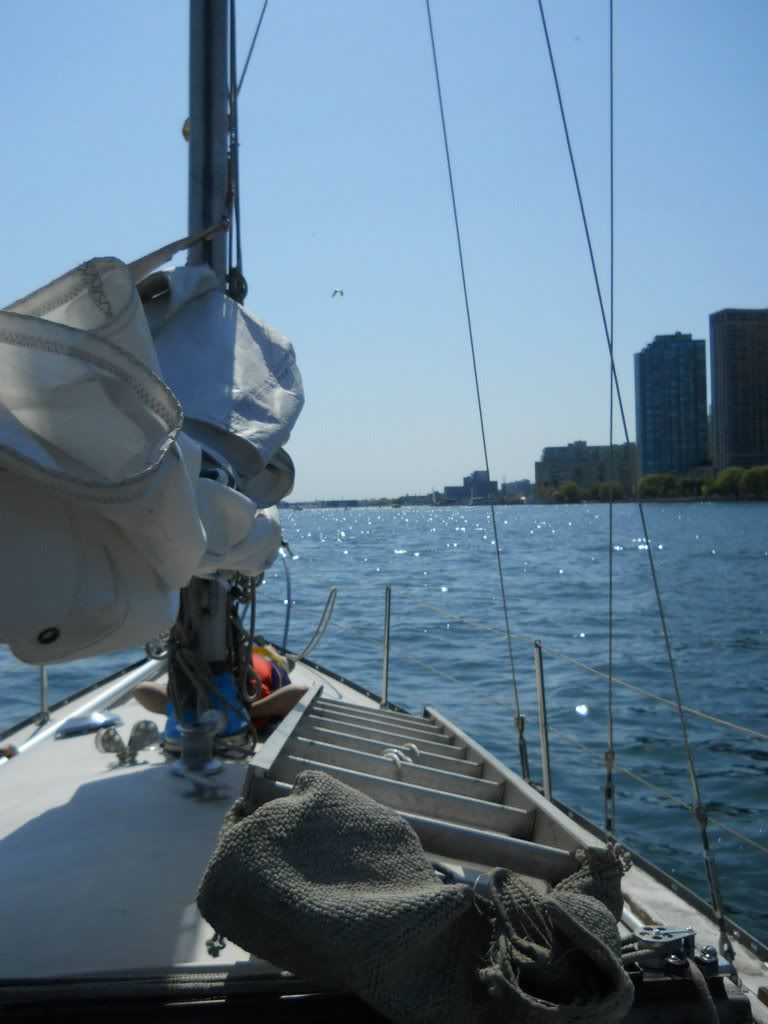
Springtime in Toronto Harbour


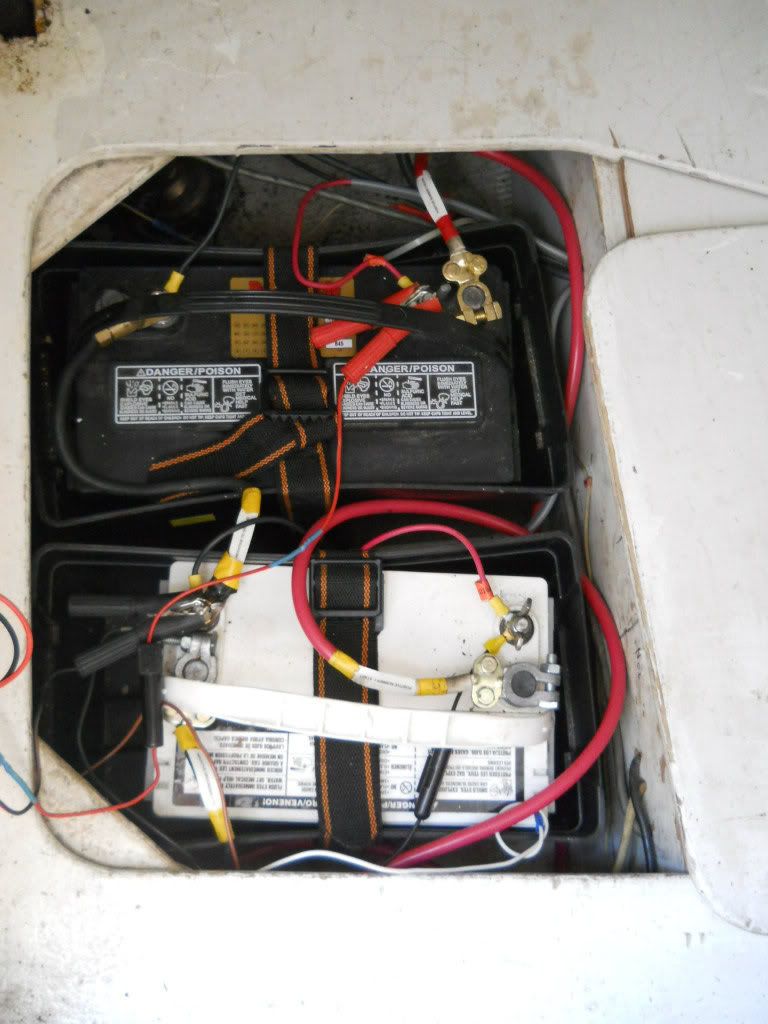
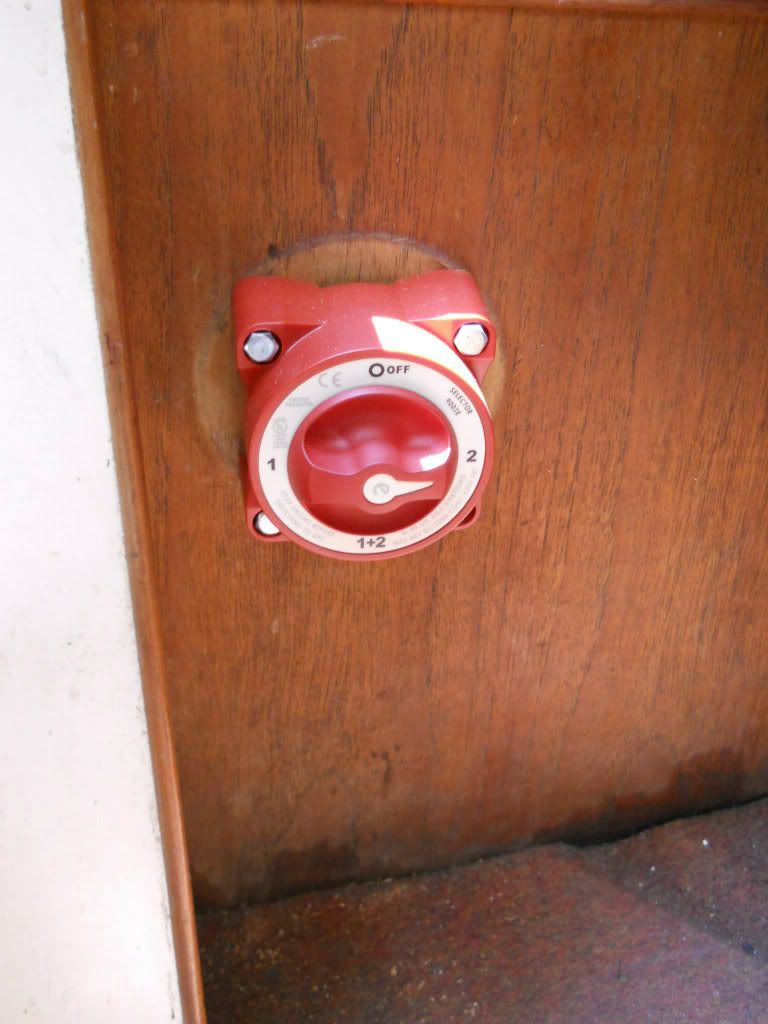
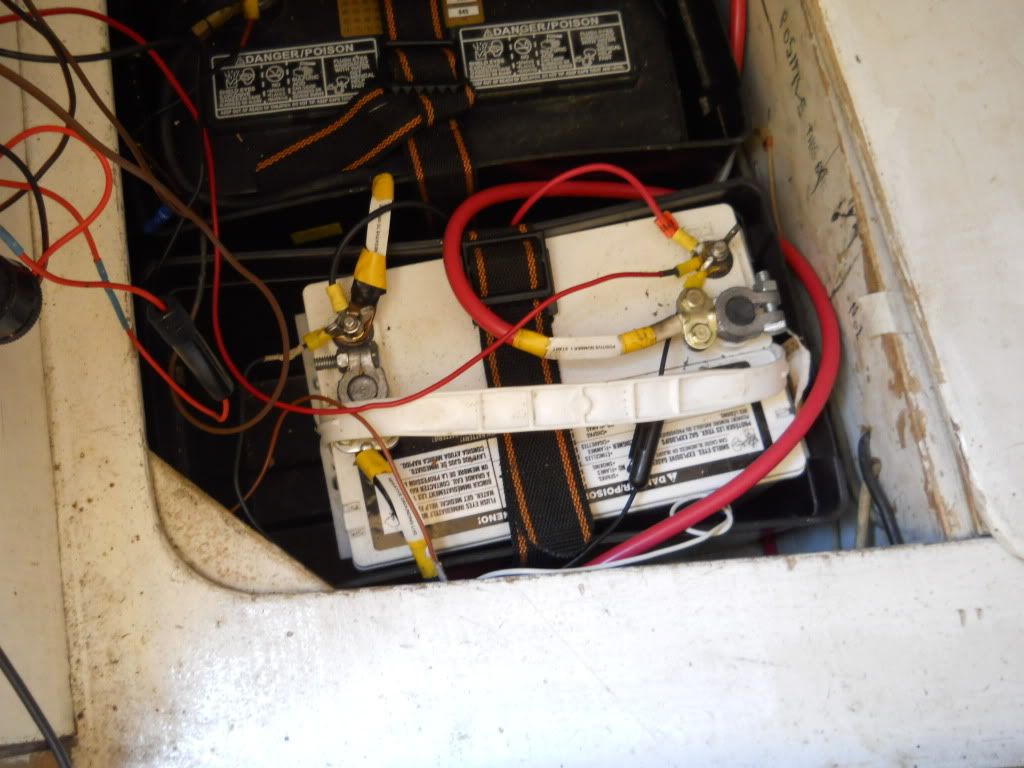
Off we went. The choke wasn't well-adjusted and the engine was hard-starting and prone to stalling. I fixed that once I made it to my marina's slip. A bigger project I had in mind was the "renewal and rationalization" of Valiente's electrical set-up. Like many boats, the batteries were topped by a rat's nest of little clips and nuts...bad and probably hazardous...along with elderly and possibly non-tinned (and therefore more easily corroded) cabling. A somewhat alarming puff of smoke made me think it was time to perhaps replace the main battery switch, along I later determined that was my fault in briefly making a 24 volt battery on the "both" setting...argh...

30% less dangerous!


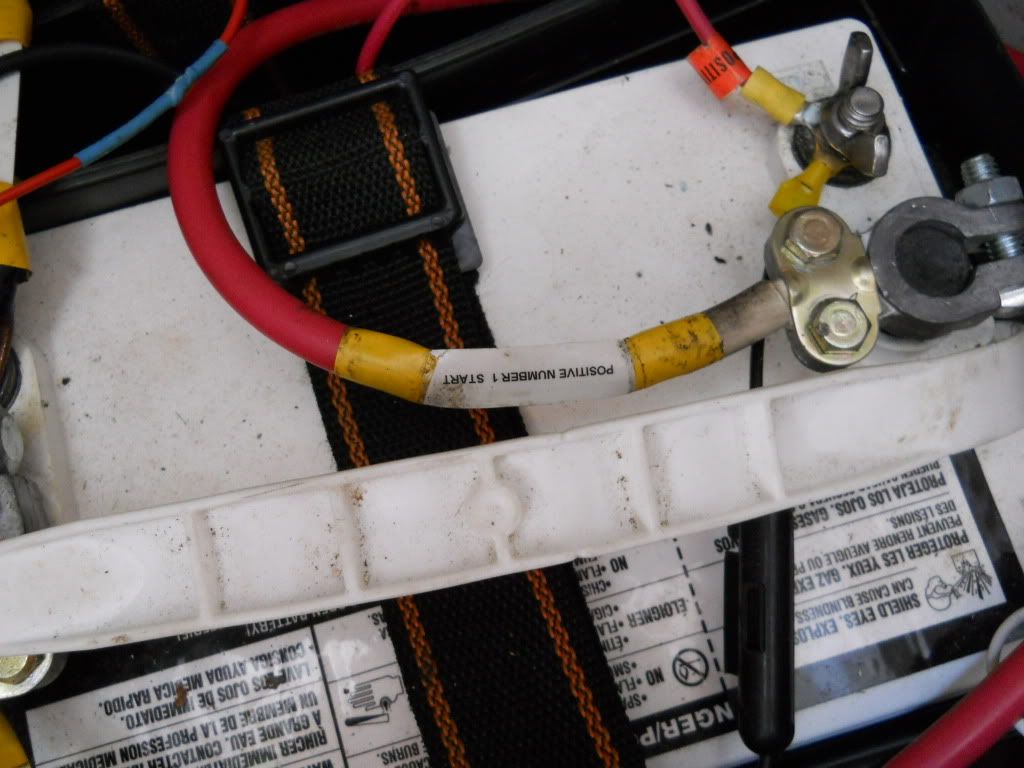
The keen-eyed will spot a Group 27 "house" battery in the rear of a Group 24 "start" battery. A more logical setup of the cabling and the new Blue Seas main switch means I finally have a "start-house-both" setup. Throw in new 4 ga. properly crimped cables, properly labelled, and the whole setup is easier to understand. All my old cables were black and "auto-grade".


I'd rather switch than fight

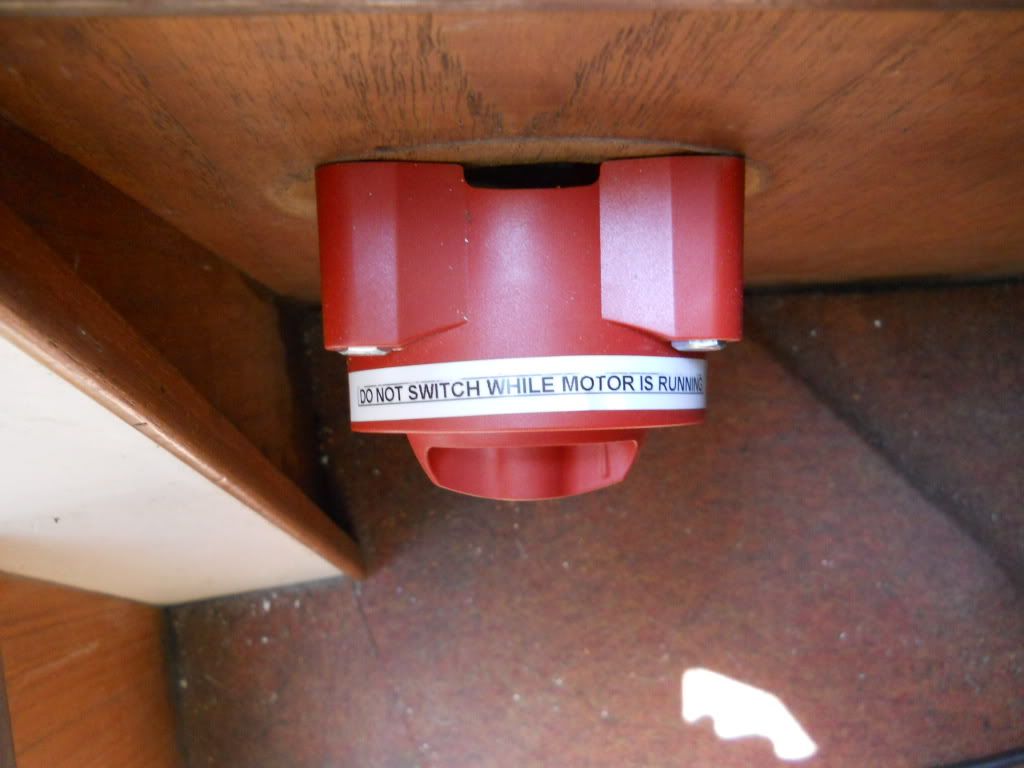
The new switch fit the old holes, mostly, and my DYMO label maker saw heavy action during the installation. As this boat is shared, and I am aware that my commercial pilot boat partner, Clive, is pretty methodical, I figure clearly labelling everything to the point of obviousness will be appreciated, or at least useful.

It only reads like I'm shouting

 Yes, this is actually an improvement.

"Wiring for Dummies" fig. 1n

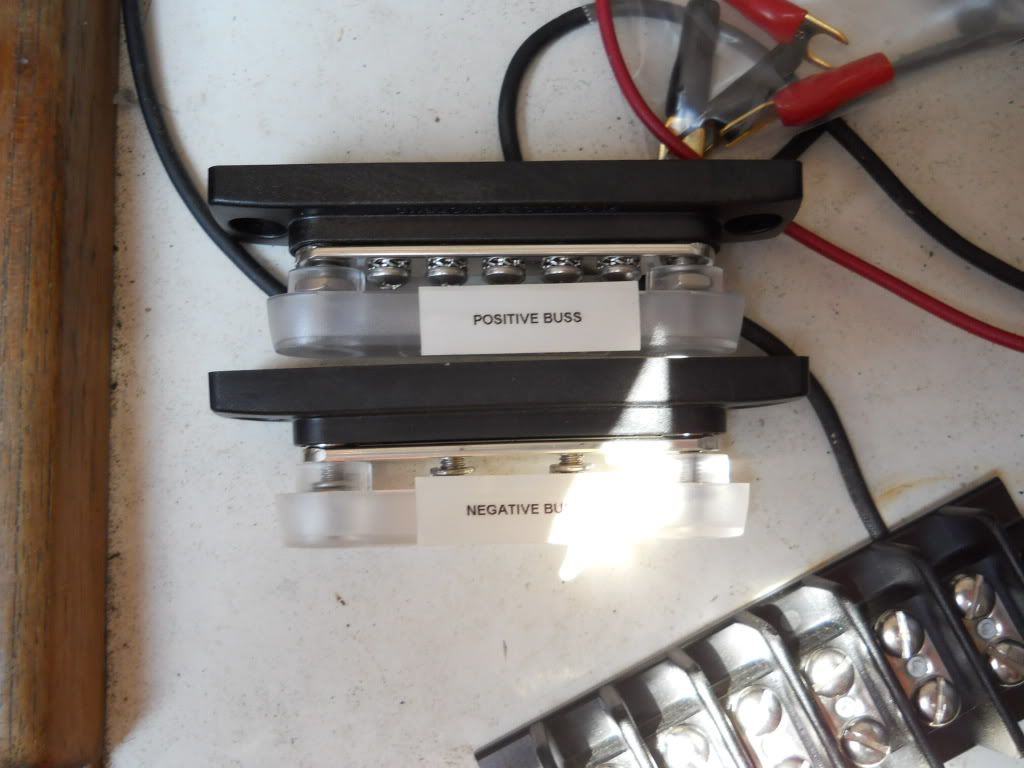
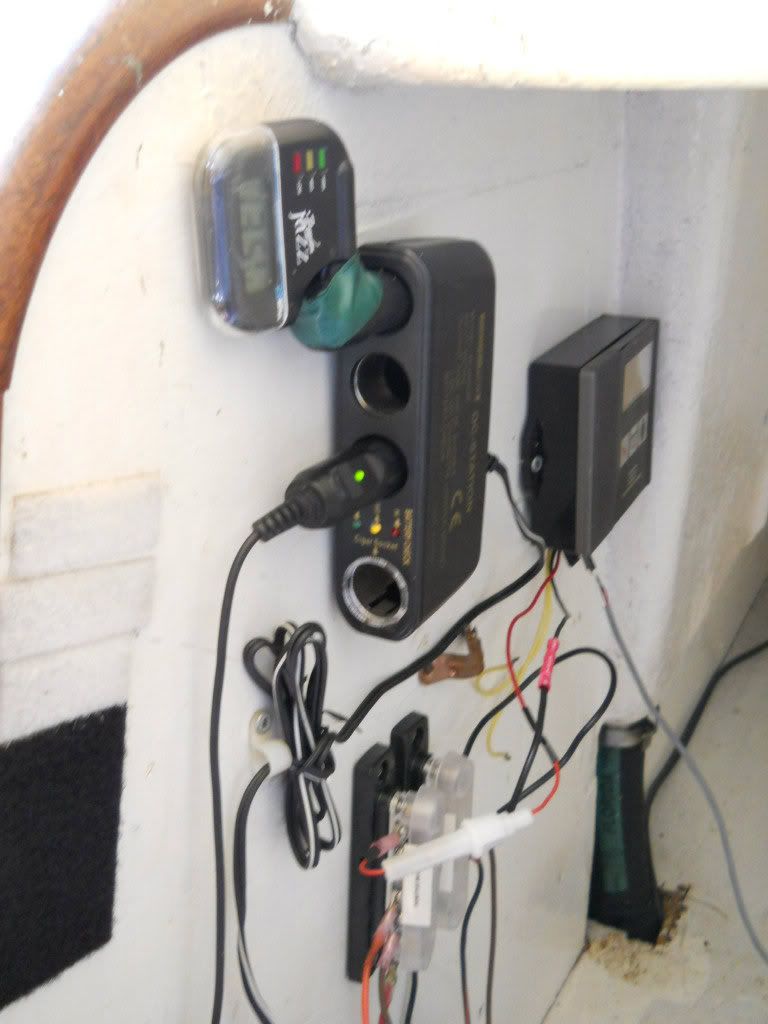
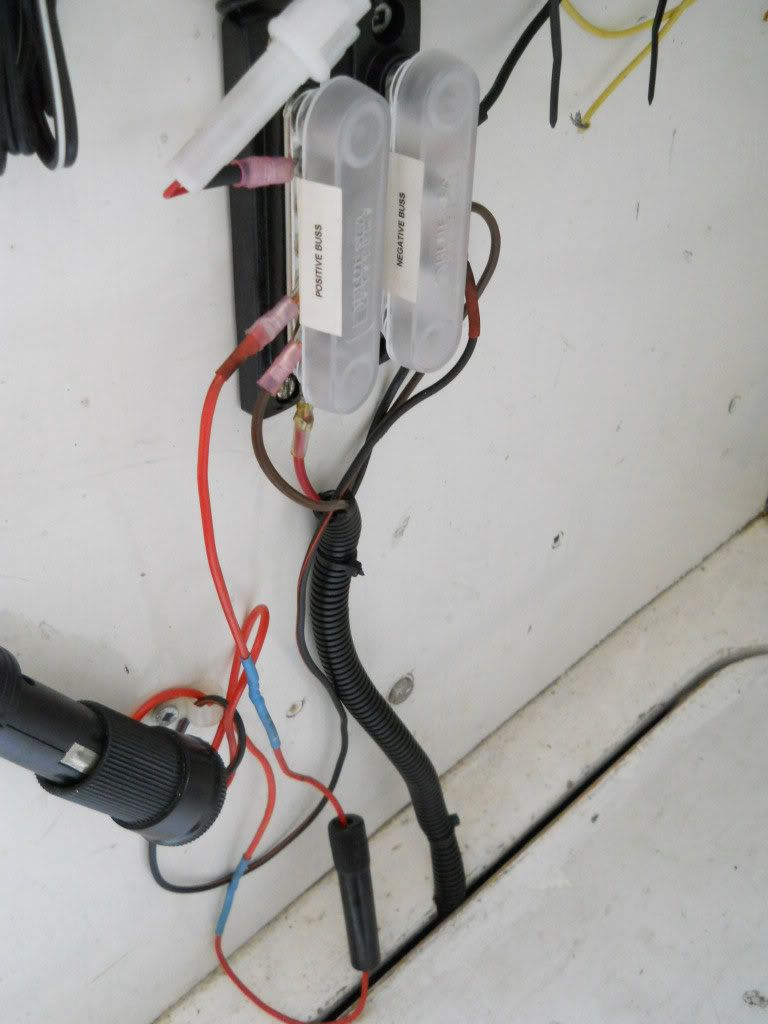
Instead of more or less sticking small-gauge wires onto the battery studs with old gum, I made up two busses or terminal blocks/strips for the instruments, 12 VDC sockets, etc.

Buss, buss, magic buss

I mounted these in the quarter-berth aft of the nav station for accessibility and visibility (it's better in person!) and carefully crimped and shrink-wrapped all sorts of leads for the various gadgets, including depth sounder (which needed a repair), GPS external power bracket, bilge pump leads, USB socket power supply, and that propane/gasoline sniffer, which is the grey and black box to the right.


Yep, now "improved"


I tidied it up with some split loom and cable ties.


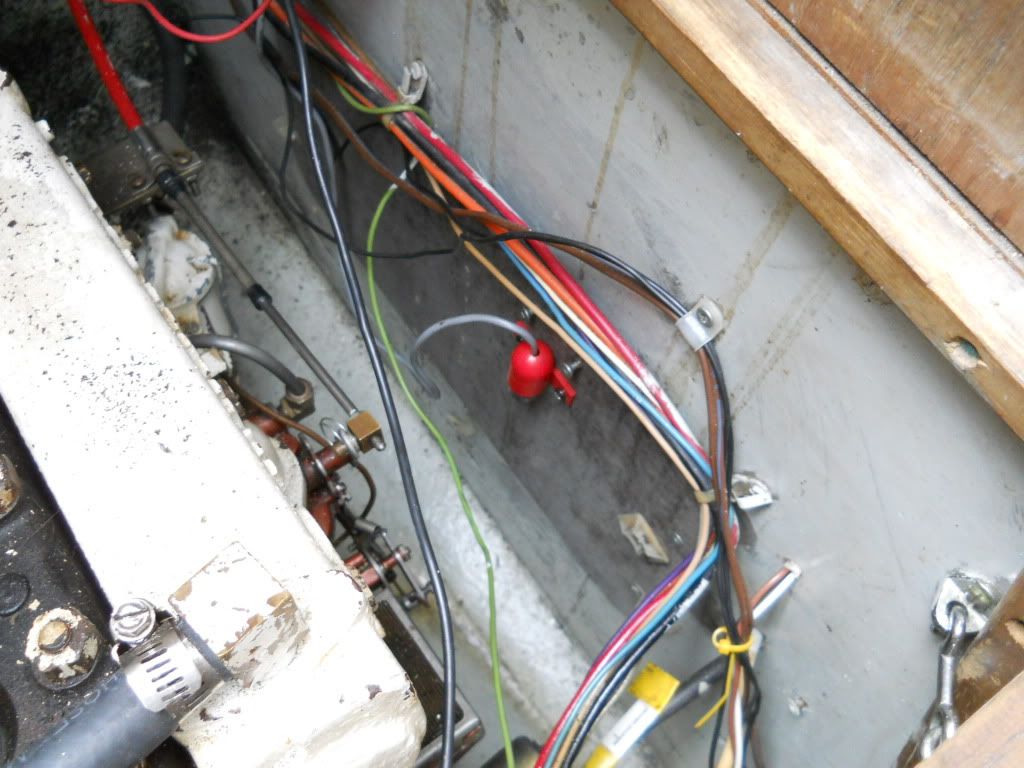
I cut out slots with a Dremel after this. It's mostly out of sight now.

That little red thing is the sniffer's sensor. Should I ever install propane on this boat, the sniffer also has wiring for a solenoid remote shut-off, which is more than nice to have on a boat with spark plugs.

Got gas?

Not pictured are the fixings of the base VHF antenna leads, oil changes, gasket-cutting, engine cable tweaking, the rewiring of the saloon overhead light, various dogging downs and tightenings, and the diagnosis and replacement of a faulty temperature sensor on the engine that was bumming me out. Again, Shelf o' Spares to the rescue. Now I have restored the gauges. They all light up now, as well, as do the running lights. Ain't progress grand? (The masthead light remains dark, alas, but the anchor and steaming function).

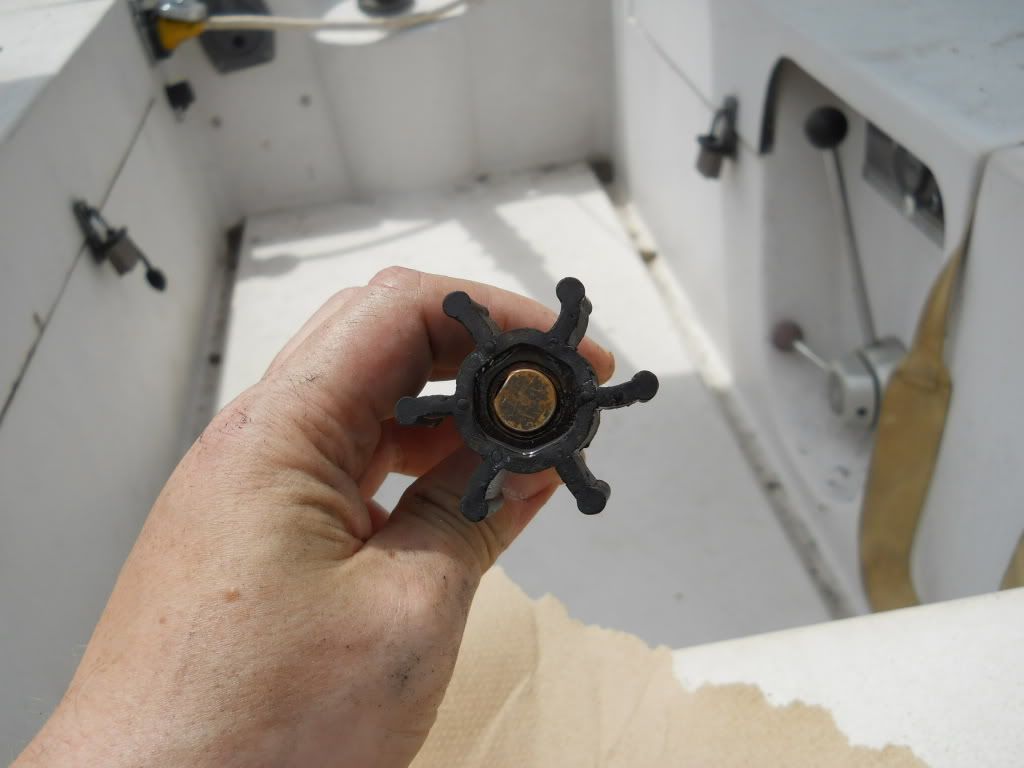
I also replaced the impeller. You are supposed to do this every season, but at about 20 hours per year of engine runtime, I let it go three years.

The power of Christ impels you!
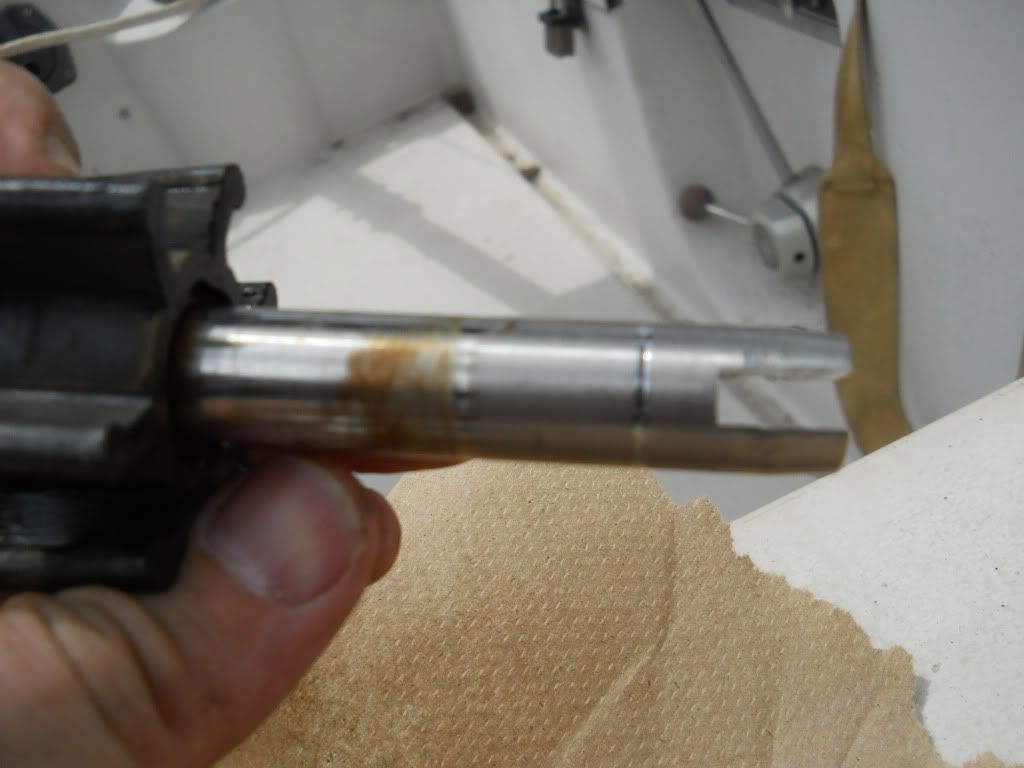
It was OK, but given that getting at the raw water pump on an Atomic 4 involves much grunting, fine motor skills and mirrors on sticks, I cleaned up the shaft, replaced the impeller and refreshed the grease cup.

This came clean quickly and there is little "scoring"
Yep. A grease cup. Atomic 4s are pretty primitive, but reliable. With all those new cables and connectors, the engine seems a touch more eager to catch now.

So now the boat is more functional and less hazardous, I feel good turning it over to Clive and family while I get back to Alchemy and the Saga of the Engine Alignment. I think I'll be able to break for an actual sail now and then.

2012-06-05

Transit of Venus, 2012

This is the 2004 one. From Toronto, at 1830h EDT, it was about 180 degrees away in the "12:30" position.


Just saw it, thanks to my sextant, as did my wife and son with theirs.

Will check it out again in an hour or so (well, before sunset!)

It makes me feel connected to the scientists, instrument makers and mariners of the last three hundred years who realized how observing the transit could not only give them a fairly accurate idea of the distance from the Earth to the Sun, but refined the measurement of longitude, confirmed the size of the Earth, and drove innovation in mechanical design that gave us the chronometer, itself a key part of the Industrial Revolution.

Captain Cook's voyage in 1766 to Tahiti was, in addition to being the 18th century equivalent of interstellar travel, was primarily to observe a prior transit of Venus about as far from London as possible in order to use the miracle of parallax to determine longitude and the size of the Earth. There was more to it than that, but the historical importance of this relatively rare celestial event is well understood, particularly by sailors still keen on celestial navigation.


It also makes me think of the Police song that goes "there's a little black spot on the sun today...", but that's kinda trivial by comparison...

2012-05-23

One man's garbage...

...or perhaps it was a woman? Anyway, I found this complete late-'80s Furuno model 1720 radome and CRT display in the "free stuff" locker at my club.

If I can get it working (and given that it had all connectors and the manual with it,. I suspect it is merely obsolete and amp-hungry), I will test it.

It looks quite like this. The cabling I retrieved is clumsily severed but can be repaired with a terminal block: Thanks, Radio and Television Arts!

The one I retrieved is cleaner and less dinged up.
Now in glorious monochrome!

An interesting point here: I follow developments in RADAR technology quite closely, and have been impressive with the new "3D"/"broadband"/"digital" types of radars (the quotes indicate marketing-speak), which don't have the heavy, analog, power-snarfing parts that these older types have. They work quite astoundingly at short ranges.

But I was speaking at a boat show to a marine electronics guy, not as a client, and he said that for distance and certain conditions, like seeing ships and rainfronts at sea, the old "pulse" radars are still his choice.

If I can get this working, maybe I can have both. Something lighter on the mast and maybe this on a pole?

Anyway, as is the mantra of our age, there is a YouTube of it (warning: dull) and the warmup time of nearly a minute and a half reminds me of the Philco TV I remember from very early childhood. The best part was the orange glow on the wall behind it!


We'll see how this goes. The manual is written in stilted English and seems concerned with electrical shock. A good sign, perhaps. Furuno is, after all, a well-respected brand. These old units still command $300-600 on eBay, so ka-ching whatever the outcome.

Regardless, a sharp eye and a willingness to lug things on my bike cart strikes again.

2012-04-23

The glamorous life of sailing while not sailing

Not a wayward skid mark from the larger sort of motorcycle.

Since the demise of coal-fired steam engines, the need to have a shovel in the vicinity of a boat has been seldom, unless one wishes to repel boarders with more than the customary zeal. And yet boats in process sit on land, and land, wet or loosely compacted, can give, as was discussed last fall. So it's a good idea to provide proper drainage.

Better ditch than bitch
So I took spade in hand recently on one of the fine, sunny spring days we've had, and got to channelling my Irish ancestors, some of whom almost certainly were "navvies".

There's more around back. Let it rain...the ground beneath stays dry.
 Short for the inherently sarcastic "navigational engineer", the navvy of the 18th-19th century was simply a poor man with a heavy shovel, or a pick-axe, or later, as related lyrically here, with explosives. Navvies dug the canals, tunnels and railway cuts of Great Britain (and elsewhere, I suppose), and while it was arguably safer than fishing or mining, it paid miserably, conditions were appalling and the work ate men up.

So I didn't actually regret or resent an hour of spirited hacking away at the gravel/dirt amalgam, because I knew I could stop.

The Commodore: Not usually dressed like this
This is Henry Piersig, our commodore for an unusual third year.  Not shy of work nor of jobs requiring an analytical mind, he dug the original trenches around our boats. His, an 80 year old R-Type, is under the "cathedral of boat", which he also designed and built. He's currently (as of April 2012) crewing on the bark Europa in the South Atlantic because tottering on a yardarm with vast amounts of cold, wet canvas fifty metres over the Southern Ocean is his idea of fun. I told him I'd "refresh" the trenches in order to keep the water away from our respective boats. And so I did.


Wax on, wax off: Not bad for nearly 40, which in people years is about 100.
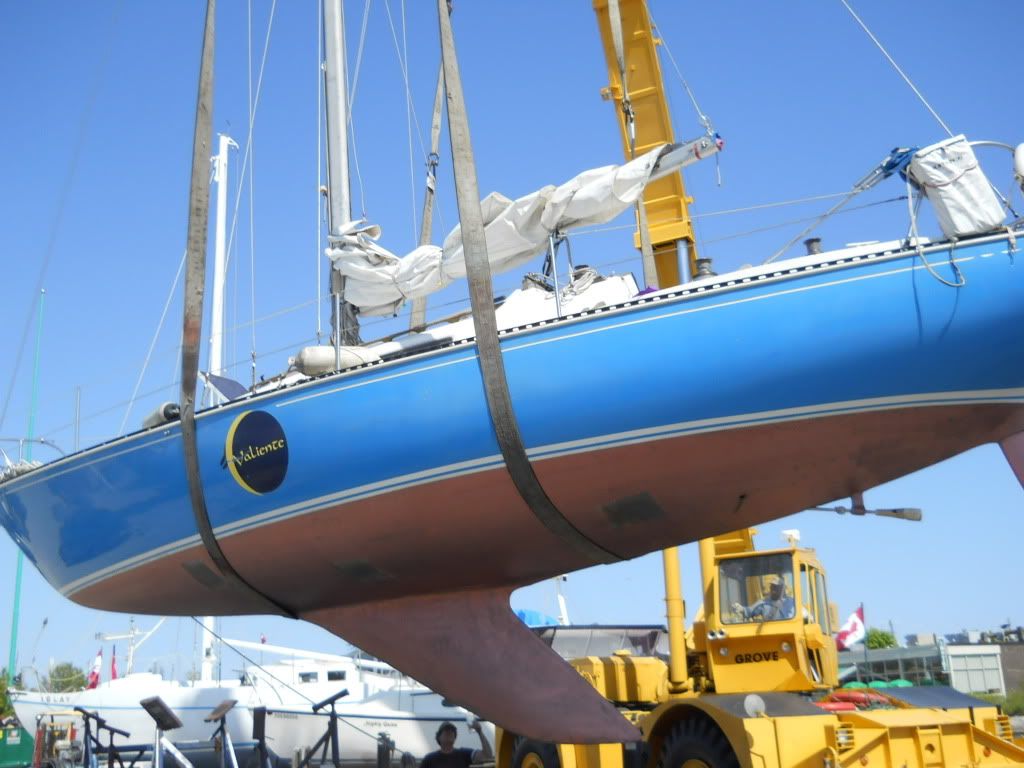
More land-based tasks: The old plastic boat Valiente spent the winter with mast in...a first...and boat partner Clive and myself went down to spend several hours readying for launch. Clive brought a buffer and did a very nice job after we had cleaned off the hull and had applied wax. With former boat partner Jeff, who really kicked off the "let's make it look nicer" movement with plenty of elbow and product grease two seasons back, I have grown to appreciate better-looking topsides.

Those are "character" gouges. I have faint hope of colour-matching them, so they are there to encourage me to helm better. The rest looks pretty good.
 Note the absence of shots on deck. It's filthy with soot and bird droppings and general dust and goo from the upwind recycling plant. Ah, well, the price is right in this fairly industrial setting.

Yes, we will have to see if there's a "new decals" budget this season. That was made with CorelDRAW, so it's pretty freakin' old...I guess I got my money's worth.
 I found two issues that need addressing before launch in the next couple of weeks. One, I needed to replace the battery cables and (possibly) the battery switch. So I have those parts at hand and just need a break in the work/tax season stuff to install new cabling and avoid the dreaded tiny column of smoke when I switch to "BOTH".
I can see a crappy, abandoned wreck in it!
 The second issue is that I had a small but inconveniently placed crack in the rudder. I decided, as this was a case where I actually am not in a knowledge-deficit situation, to fix it. For those playing along at home, I first used a Dremel tool to sand off the layers of overpainting and crusty bits and to ream out the crack itself in an approximate "V" shape.
It wasn't this bad. I made it this bad by way of preparation
 Note that I've already done most of the bottom painting...except for this. I'll need three tablespoons of VC-17M at some point...
Miserable-looking, but actually not my worst work at filleting.
 After mixing up a thickened tin (about 40 ml) of West System with 404 high-density filler, I more or less pushed it down the crack. I couldn't take pictures of this step because even with the right gloves, it's mucky work. After that, I "wetted out" a strip of fibreglass fabric of a light 6 ounce weight, longer than the actual crack itself and about 3 cm. wide. For this step, I made up a fresh amount of epoxy resin, this time thickened with much finer silica, the "406" type. Usually, I have epoxy around, but I couldn't find it aboard Alchemy, and wanted "fresh" for an "outside" repair. For tabbing cabinetry, I've used pretty basic (and cheaper) stuff, which has worked just fine.
PLEASE SAND ME SMOOTH!
 Then came two more fibreglass strips, of increasing widths. This process is called "filleting" and is meant, after a proper sanding, to give a smooth and strong surface that is bonded everywhere to the original structure. What follows, when time and weather permit, is a couple of "barrier coats", a two-part epoxy product meant for underwater use and supposedly waterproof, which fibreglass is, actually, not. Then a few daubs of VC-17 and, assuming I can sort the battery switch issues, we can do a test-fire, put the boom and mainsail on and can toddle off a littler earlier than usual into the season.
Properly serviced.
As I had some time and ambition, I cleaned and serviced the propeller. This is mainly gunk-removal, lubrication of the geared parts (because having a folding prop seize halfway deployed can ruin your motoring experience!) and a check and tightening of the various hex bolts that hold the folding prop together.

I tightened the zinc as well, which isn't too badly worn. Note the little hose clamp? It's in case the zinc falls off and the coupler collar or prop shaft fails. It would stop the prop backing off right out of the boat, leaving an impressive water feature.

You might call me paranoid, but this very thing happened to my wife while crewing on a delivery of an Ontario 32 in 2008. The prop shaft broke right at the coupler. Water came in. For want of a hoseclamp...still, they didn't sink, but the tow was expensive.

2012-04-12

Sums it up, really

I could write another thousand words on why we are striving to cruise instead of, say, putting in a deck, installing A/C and getting a minvan like, you know, Westerners, but this picture does it in a dozen or so.


Bonus link: In California, the height of eco and pre-cancerous fashion is a solar-powered tanning salon.

Yeah, we're doomed, but we're going to be doomed with reliably bronzed, Quadcycled butts made flexible thanks to Hot Yoga and 1/2 HP juicers. So that's all right, then!

And furthermore:


Plans shifting to "launch mode" for the old plastic boat. More to come shortly.

2012-03-29

The invisible revealed

This is what happens, I guess, when artistic meets statistics.

I could watch it all day.

UPDATE: I've been in e-mail contact with Fernanda Viégas and Martin Wattenberg, the designers of this wind map, and while they are concerned (fairly naturally, I think) about the kind of bandwidth charges peering at this sort of graphical representation this could cost, they are considering making it more accessible (i.e. embeddable) for more general use.

So I'll stand by and await results. If nothing else, it's very beautiful. The developers in question have several very intriguing ways of presenting statistic in memorable, aesthetically pleasing fashions.

2012-03-28

State of heads

It's called a "Popular". In southern climes, a sobriquet no doubt absolutely truthful

I have an older, if very lightly used, Lavac head on Alchemy. By "older", I mean it was installed by a previous owner, and so went in prior to 2006. But by "lightly used", I mean "hardly sullied as per its bailiwick". The boat's not travelled very far without access to shoreside facilities, and naturally, I encourage that over the indiscriminate filling of the 50-gallon holding tank, which I usually am deemed worthy to empty.

Indeed, without getting overly graphic, I discovered a flaw in said tank only after we reached the one-third full mark and, well, you can visualize the rest. Hauling a stinky HDPE tank out of the boat is what convinced me, among other considerations, to opt for four 50 gallon water tanks, instead of two 100 gallon tanks. I can just about manage shifting one, whereas I need mechanical aid to budge the other.

But I can't fault the Lavac in that now long-past unpleasantness. As I've mentioned before, it was the presence of a pristine Lavac, the boat bog what ate jeans without gagging...a somewhat curious selling point, in my view...was the deciding factor for my wife in the purchase of Alchemy, so sterling is its reputation as the top shelf of seagoing heads.

The feeding of the typical cruising boat head is obvious, even if visitors keep screwing it up requiring orientation seminars on deck. The rule of thumb (rule of bum?) is to not put anything it there save toilet paper and what has passed through, or at least has lingered, in the body. The plumbing of the typical head, while robust, is only a fraction of the diameter of the average home's "waste pipe", and feminine sanitation products, cigar butts and small plastic toys will cause extremely unpleasant aneurysms of sewage and a very upset skipper or other designated boat slave.

The care is less clear. Obviously, one brings rebuild kits for the various parts and, equally obviously, they are not cheap. But while one can, with a little practice, make a decent low-pressure gasket by hand out of a sheet of cork or even a cereal packet, certain items require The Approved Replacement Parts.

A Lavac, being the vault of Malkuth, falls under that heading. Yes, another sea toilet pun.

Amusingly, this is titled as "Exploded Diagram". I blame Taco Night.

The Lavac is available in manual and electrical pump version, but I am of the opinion that electricity and toilets should have no more proximity than bankers and financial reform regulation, and that to believe differently is to exhibit insufficient superstitious dread suitable for cruising. Besides, the heart of the matter, the "Henderson Mk. V Pump", is easily understood, more or less modular, and the pumping action allows measured application should you wish to do various remedial freshwater rinses. Besides, a simple diverter valve means that a) the same pump can be used to pump out the holding tank overboard in the legal areas of the sea, and b) a similar valve can be used to empty the bilges or, more typically, a shower sump inside the head. I suppose c) would be "exercise", but if you are pumping the Lavac enough to build your biceps, you may have issues beyond the device's stated functions.
This is actually, if not a pleasure to work on, a straightforward thing to service

Now, we aren't even in fresh water currently, and so the Lavac is in hibernation via the magic of "winterization", but we are fitting out for extended ocean travel after extended freshwater travel to get there. This brings us to the "care" side of "care and feeding". I am considering purchasing an entirely new pump, gaskets, lid, etc. (the Lavac works on a sort of vacuum pump principle, and the lid seals shut during the pumping process), and taking the aged but sound parts as spares, cleaned off as required and bagged, of course. This is the same principle as getting a new diesel (if about 1% the price): Replace good parts with new parts, reset the odometer in theory, and reuse the older parts as spares.

Due to the rubber/nitrile seals and the innards of the pump, which in some cases contain aluminum bits, I have heard that these otherwise excellent units can suffer from over-aggressive cleaning with the sort of cleansers and solvents once resorts to in order to clear out, uh, tenacious leavings and to kill the nearly inevitable lifeforms brought in from the seawater used to transport the human elements.

Many, therefore, use vinegar. But vinegar is expensive and bulky, and it's not really necessary. The portion you want is the particular acid that gives vinegar its kick: acetic acid. You can buy acetic acid (which is only about 5% by volume of typical white food-grade vinegar) at near 100% concentration and can dilute it yourself for economy, but if you can collect and tank rainwater, a good method for Lavacs is to (carefully) plumb in a Y-valve to your seawater intake line and to give the whole system a freshwater rinse. This will kill the "critters" that may otherwise colonize the more attractive bits of real estate and will, with the acid treatment, move the debris back to its mother, the sea.

I'm no expert on this, even with the wealth, so to speak, of resources out there on the topic of "marine sanitation",  but years and years of reading Peggie Hall's posts and articles have convinced me she is indeed worthy of the title "Head Mistress". So aside from hearing from the readership as to what works, what helps to avoid trouble, and what is definitely to be avoid unless one has very particular enthusiasms for living in filth, I would encourage the curious to read her "bible of boat bogs".

Dense, green cartoonish vapours suggest you've let things ride too long.

I have the feeling, much like The Warm, Dry Boat, and the fixit guides of Nigel Calder, this book will be a well-thumbed volume in the ship's library. Perhaps even read in a sitting position.

UPDATE (March 28/12): Regular reader, current cruiser, fellow Torontonian and Lavac-owner Geoff C. on s/v Beach House sent me his thoughts on Lavac installation, complete with photos (!), and has given me permission to quote him here.

Our previous boat had a Lavac head which is why I installed a one on Beach House. It is a bullet proof unit so long as the seat seals and connections keep the air out.
Recently I did a pump overhaul because it had been at least a year since the last one and it was getting hard to pump.
The joker valve was a little puckered and because the output has to point up, there was old "debris" caught around the outside of the valve thus limiting it's opening and restricting the output flow. I've decided that the output hose will be removed more frequently so that expansion of the joker valve can be checked.
After this rebuild, and a few days later, we could hear a hissing and the bowl wasn't filling properly. The seat seals were removed, cleaned and reinstalled. The issue remained. On taking the pump apart, I found that the joker valve was dislodged at the top. It seems that the longer screws in the kit aren't quite long enough and didn't bight into the valve enough to hold it.
Naturally I didn't have screws that would work in my box of fasteners, so off to Budget Marine. We are now waiting to see if this fix holds.
One other issue we have is access to the lower pump (input) connection. There is not quite enough space for me to get both hands in to force the hose off nor is there enough space to bend the hose to meet the input connection.
My solution was to create a bend using household plastic plumbing parts. 90 and 45 degree bends did the trick. Sealand makes 1.5" sanitation hose to plastic pipe adapters. I bought mine from Eastern Marine and I found the Union in a hardware store in Antigua. So now my input connection is quickly disconnected by unscrewing the collar which clamps the two halves of the union together. No more undoing clamps and messing about with forcing hoses on and off.
Photos -
Lavac - Union = stand alone part
Lavac - Union from top
Lavac - Union from below.


I don't know how your pump is installed, but if access is an issue this might help. 


To which I replied:  Geoff, thanks for the e-mail. I like your solution even though I have a fully accessible Henderson pump with easy access. That's not to say there aren't other places well hidden where I might want to lob in a diverter.

So the timeliness of your e-mail relates to understanding how the various parts need to work properly to make that vacuum, without which "she no workee".

Now that I know how you keep the joker valve functional, may I ask how you keep the passages free from sea salt deposits and the local wildlife? How do you manage offshore pump outs? Do you ever get air vent or anti-siphon vent clogs? Having had issues with exhausts on both boats, I will go to some lengths and even dip into the rum fund to make the setup as bulletproof as can be reasonably expected. I'm not shy of the muckiness (well, not keen, either), but I feel that a proper design from the outset gives peace of mind and reliability, rather than trying to fight the physics of the thing with the application of more force.

Glad to find another Lavac fan.

And to which Geoff replied: No problem with you using it.

We don't have a screen on the input water so occasionally we get a little debris, but since the input sea cock is about 3 feet down very little. So far no wild life other than a little phosphorescence which is quite pretty and makes a midnight visit worthwhile.

Our sanitation hoses were new in 2005 and hit salt water in 2008. They aren't bad but there is no way around build up on the walls. I think it is a bigger issue when boats are stored and the coatings get really dry and hard. The longest we've stored Beach House is a month and all seems well. We're into four years without any appreciable issue. If you have concerns think about using a good but not expensive hose and replacing periodically. In 2005 I installed good hose but as I modify things I'm using a lesser hose. To anyone headed (no pun intended) south I always suggest replacing the sanitation hoses while they have the time before they leave.

Pump out facilities generally hard to find down here so most boats just go from the head to the sea. A few  will up anchor and drive out to sea and dump their 50 gallons of waste, complete with anti smell chemicals etc, until they get tired of the routine of the weather closes in.

So far no clogs, but then we pump a lot of water through with each flush. We determined how much flushing to do buy putting some toilet paper in the head and counting the pumps until I saw bits of paper beside the boat. The problem with holding tanks is that you are conscious of the amount of flushing water you use and skimp. Skimping may mean you leave solids in the line.

A good working head means a happy Admiral. A happy Admiral means a happy Captain.


I can only heartily agree, and thanks, Geoff, for both your observations and your excellent explanatory photos.

I do agree that whether one thinks it a sign of irreversible Western decadence or not, we have become to expect toilet facilities of a certain standard of reliability and function, and people will endure hard bunks, bad cooking and twisting seas as long as the toilet is working properly. Geoff's point about redoing the hoses completely more often (as opposed to getting the super-duper "sani-no-smell wonder hose" is also taken, as are the comments about the relative rarity of North American-style pump-out stations.

As for "skimping" on flush water, heaven forfend. I suppose if I was looking for a reason to keep the 50 gallon holding tank, there it is. The threat of leaving "solids in the line" is why I avoid butter; if more water means less clog, we'll all have very strong wrists and diluted pumpout.

And as for getting tired of the routine of going to sea to pump out, we'll see. Inculcated as I am (and my wife even more so) in the idea of treading lightly on the sea bed, to mangle a metaphor, I do not wish to be part of the reason brown trout outnumber tropical fish in any distant anchorage if I can avoid it. And while I'm not squeamish about the topic, I feel my cruising experience might be a little sullied by sipping my morning coffee to the sight, sound and smell of a number of nearby boats at anchor ejecting poo rockets from their topsides into waters I want to row through after breakfast. It just seems a little off-putting. Yes, I know fish crap in the ocean...whales, even. I also know that the sewage treatment for the locals is going to range from straight into the ocean to rudimentary at best. That doesn't mean we as cruisers have to pump raw inshore when we have other options. My vote goes to as-needed six-mile round trips. At least the engine gets oil circulated and I won't object to turning the fridge up to make ice cubes. Which will, inevitably, lead to more use of the head.

Simba, descale me!


2012-03-23

"Artisanal shipping"? Hilarity ensues

My last post arose out of a reply to a topic at anything-sailing.com regarding the revival of an old two-master as a light freighter. Chip, a sailor out of Barnegat Bay, New Jersey, with whom I've had the pleasure of hoisting a pint here in Toronto, more or less ran with the concept and came up with an "old school" advertisement for our entirely imaginary shipping sideline.

*Illegal will cost you more


I think it's freaking brilliant, especially the phrase "artisanal shipping" applied to small-scale, sail-powered transport of (arguably) hipster products.

Cheers, Chip! You gave me an audible laugh this morning and about a dozen graphics ideas.

UPDATE: Here's what I riffed into being after I found a few salty fonts:

I couldn't ever ship PBR...the stuff is vile.

2012-03-18

Cargo by sail? It's the latest thing


Good bight, Irene.
Thanks to "Hartley 18" at anything-sailing.com for inspiring this post.

We bought a steel full keeler for a number of reasons: strength, capacity, tankage, strength. We didn't buy it for speed, even though it's not as pokey as one might assume. We also considered that as we sought independence from the shore (involving making our own power and water and carrying a full complement of spares and tools, including the ability to fabricate some items) that we might wish to do a little informal cargo or passenger transport in some of the more remote Pacific atolls we are likely to cruise.

Note that these transactions would be of the "put the diesel drum on the deck, and the roast pig in the galley...thanks, man" type. Cash, not so much.

Alchemy, irrespective of her other fine qualities, is undeniably a capacious steel boat with pipe railings, light-duty crane potential and space to carry several 55 gallon drums on deck. I could safely carry in mild conditions quite a bit of gear or a couple of people willing to kip on deck.

It has occurred to us, therefore, that inter-island transport of essentials outside of the usual cargo freighter runs (or carrying a few passengers in return for a roast pig or something) might be a possibility for us, even in a 41 footer.

Then I read this story.


Avast ye, maties, and steer for Carrot Common!

As for large-scale sail cargo, sure, why not? The 400 foot steel barquentines worked until 1939 at a profit hauling guano and wheat. Mechanization could mean a four-master could be run with a dozen guys. I can see "charter cargo" for carbon-credit types or the richer sort of greenie. Coffee at 20 bucks a pound barely scratches the guilt of some people. Shipping under sail is a perfect fit for shade-grown coffee picked by sponsored orphans...or am I being cynical? Too bad. I just want to see working tall ships come back.

You know what? Screw being a floating restaurant.  Anchors aweigh!

Not everything needs to get there in 10 days. If you can wait, you can get it by sail. Next up: freight Zeppelins. Or, if you wish, today's cargo ships with tomorrow's sail assist.

The new sail-biogas hybrids are not junk

It's called a "ship puller". Duh.

Time and the price of oil will likely determine whether this ever exceeds the "Western guilt/boutique" level of enterprise, but I can actually see, having budgeted the cost of mostly-sail travel per NM, that this could work with certain high-value, non-perishable cargoes and on certain breezy routes.


Is this just a romantic fantasy? No, but containerized shipping via bunker oil-fuelled vast freighters is already so efficient and (relatively) cheap that oil would have to get very expensive indeed before fresh fruit in winter and Chinese-made rubber ducks and other dollar-store staples vanished from Western shelves.

But I can easily see sail being a small component of the mix, just as I can see a return to the cargo dirigible for certain applications. It's not just about running out of fossil fuels. It's the environmental cost of extraction and the willingness of individuals to buy into that, along with the political cost of dealing with unpleasant people in charge of certain areas.

If pne runs the numbers for high-value goods going in the right (downwind) direction, I can see a case being made, especially if one can price in a "feel-good" premium. Putting a two- to five-buck per bottle price hike on an absolutely bog-standard dark rum that was shipped by sail-only brig from the Caribbean to, say, Nova Scotia is a given, even if you've never worked as I have in marketing. Sailor Jerry, may I point out, is a long-dead tattooist, and yet "his" rum gives off the slightly naughty nautical impression people seem to find worthy of buying. If there's anything more y'arrr than Island rum shipped by sail, it probably involved putting a splice in a body part.

Like my shimmy? Then make with the shake, hipster!


It's the entire reason people buy Apple tablets, after all. They don't work so much better, and in some respects not even as well as less image-oriented devices, but they look great and people wish to be seen carting them around. So price them 40% higher and keep the Chinese factories on the down-low! As for Lululemon's line of pricy "yoga-wear", it's indistinguishable to me from stuff one could buy at Winners, and yet it's priced for prestige.

Seen from that point of view, sail works a treat

UPDATE: According to my usually reliable readers on Grenada-based Silverheels III, chocolate is on sail:


UPDATE 12.12.30: Apparently, Tres Hombres, the 32 metre, engineless sail cargo vessel mentioned in the above link, has been involved in a mid-ocean rescue of a German sailor with a busted rudder. It's been some time since a sail-only vessel has done tugboat duty this far offshore, I suspect. Good luck to all involved.
Bar none, that's the sweetest freighter I've seen